Do Dogs Feel Sad When Another Pet Dies? What About Other Animals?
Some links in this post are affiliate links. This means if you purchase something through my links I may make a small commission at no extra charge to you. See my disclaimer.
If you’ve ever watched a surviving pet search the house for their companion, sniff their empty bed, or simply lose the sparkle they once had – you already know the answer in your heart.
But the question of whether or not dogs feel sad when another pet in the family dies deserves more than just a feeling. Because understanding why your pet may be grieving, and what that grief actually looks like, can help you support them through one of the most disorienting experiences of their lives.
This article explores both the science and the emotion behind pet grief, and what you, as a loving pet owner, can do to help them.
The Short Answer: Yes, Pets Can and Do Grieve
Animals are not as emotionally simple as we were once led to believe. Decades of research into animal behaviour and cognition have shown us that many species form deep social bonds, and that when those bonds are broken, something that looks very much like grief can follow. Dogs and other animals often do feel sad when another pet dies, yet it doesn’t always look the same with each experience.
It may not look exactly the way human grief looks, and it may not go through the same 10 stages. But the loss is real, and so is the response to it.
What Does the Science Say?
For a long time, the emotional lives of animals were largely dismissed or downplayed. But that view has shifted significantly, and what researchers have found is both fascinating and deeply moving. Whether the death was sudden, after a long sickness, or simply after old age, animals will react based on what is now missing in their life when their companion disappears.
Dogs
Perhaps the most studied in this area. A 2022 study published in Scientific Reports found that dogs who had lost a canine companion showed notable behavioural changes, including increased attention-seeking, reduced playfulness, poor appetite, and higher levels of fearfulness. These are not random changes. They mirror many of the emotional and physical symptoms humans experience during grief themselves. Do dogs feel sad when their companion dies, the same way humans feel sad when their beloved pet dies? They’re one and the same.
Cats
Often assumed to be more solitary and self-sufficient, also show signs of distress after losing a companion. The American Society for the Prevention of Cruelty to Animals (ASPCA) conducted a study in which 65% of cats displayed four or more behavioural changes after the death of a feline companion. Many became more vocal, clingier, or withdrew entirely.
Horses
Known to stand vigil over deceased companions, sometimes for hours. Researchers have observed them displaying restlessness, vocalising more frequently, and showing a decline in eating and social interaction. Horses are deeply herd-oriented animals. Their sense of safety, rhythm and belonging is built around those they live with. When that bond is broken, the disruption runs deep. Some horses will repeatedly return to the spot where their companion passed or pace the fence line searching. Owners and stable hands report a visible heaviness in a grieving horse.
Birds
Particularly parrots and cockatiels, that bond closely with cage mates, have been documented showing signs of lethargy, feather-plucking, and loss of appetite after a companion’s death. Birds are highly social creatures, and many species mate for life, making the loss of a bonded companion especially significant. Some birds will call out repeatedly for their missing companion, or sit in uncharacteristic silence. Others may lose interest in food, toys, or the interactions they once enjoyed. For a bird that has spent every day alongside another, the quiet that follows can be disorienting as it is heartbreaking.
Lizards and reptiles
Including popular companions like bearded dragons are often assumed to be purely instinct-driven, but many owners would disagree. While research in this area is still emerging, reptiles like bearded dragons are more emotionally complex than they’ve been given credit for. Some owners report changes in behaviour after losing a tank companion – restlessness or reduced appetite, for example. Science is still catching up, but for owners who have witnessed it firsthand, it feels like something real, and that deserves to be acknowledged.
Rabbits and guinea pigs
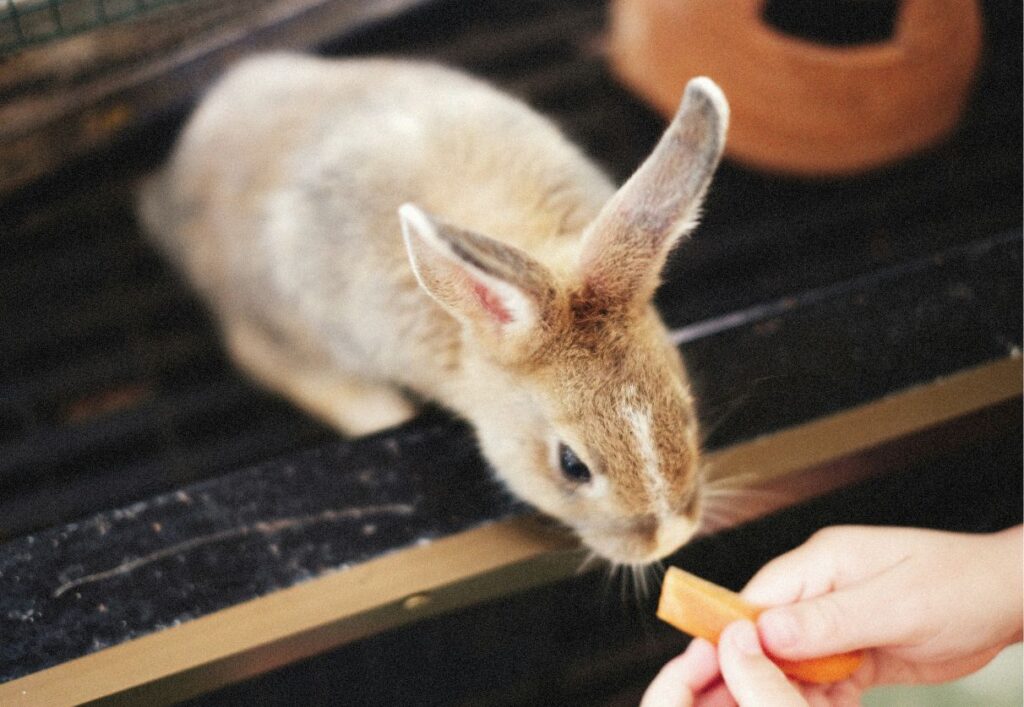
As small as they are, they are deeply social animals. The loss of a bonded companion can cause visible distress, withdrawal, reduced activity, and disinterest in food or play. Some rabbits with thump, pace, or sit pressed into the corner of their enclosure. Guinea pigs may stop vocalising the little sounds they once made together. For animals whose entire sense of comfort and security was built around another creature’s presence, that absence leaves a very real and tender gap.
The science across species tells us the same thing: animals notice.
They feel the absence. And for many of them, that absence changes everything for a while – just like it does with humans.
What Does Pet Grief Look Like?
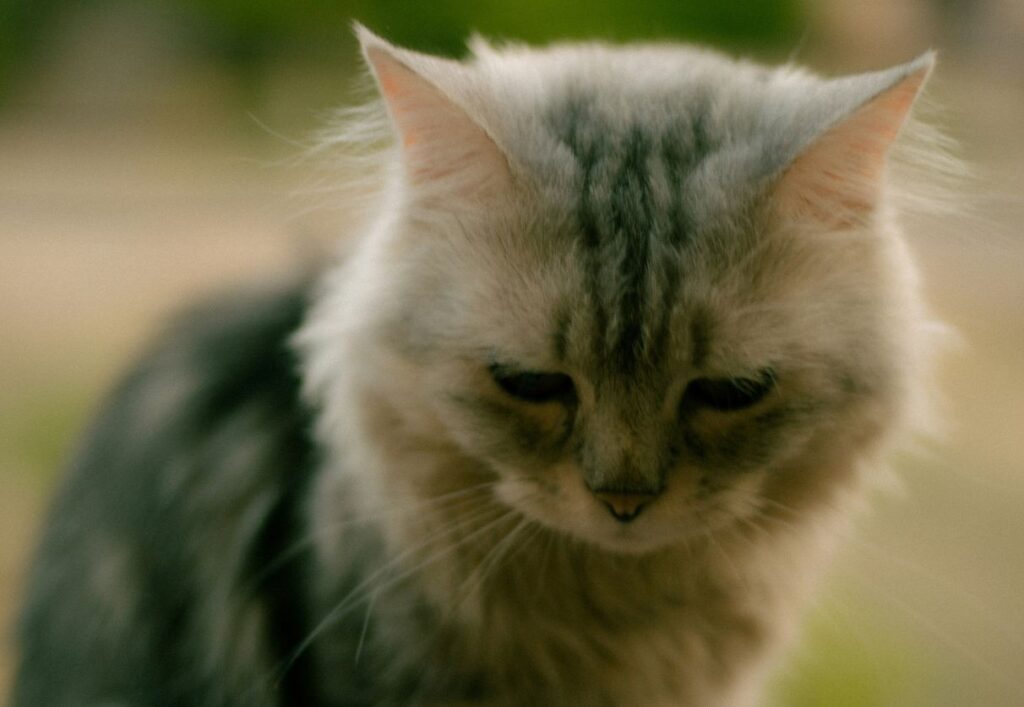
Because our pets can’t tell us what they’re feeling, we have to learn to read the signs. We already know that dogs are likely to feel sad when another pet in the family dies, but do you know what that sadness looks like? Grief in animals tends to show up behaviourally rather than emotionally – at least from our outside perspective.
Here are some of the most common signs that a surviving pet may be grieving:
Changes in appetite – eating less, or sometimes more, than usual
Searching behaviour – wandering the house, sniffing familiar spots, or waiting by the door
Lethargy – sleeping more, less interest in walks or play
Vocalising – whining, howling, meowing more than usual, or becoming unusually quiet
Clinginess – following you from room to room and seeking more physical comfort
Withdrawal – hiding, avoiding interaction, seeming “flat” or disconnected
Disrupted sleep – restlessness at night, particularly if the animals are used to sleeping together
Not every pet will show all of these signs, and some may show very few. Just like humans, every animal grieved differently and often works through the multiple stages of grief, too. Some seem to process loss quickly, whereas others carry it for weeks or even months. Neither response is wrong. Both are real.
Do Pets Understand That Their Companion Has Died?
This is one of the most tender questions pet owners ask, and it really is a complicated one.
Animals don’t have the same cognitive framework that humans use to understand death as a concept. They don’t necessarily know why their companion is gone. What they do know is that something is missing. A familiar scent, a familiar presence, a familiar warmth beside them – and that absence registers as something significant. Dogs can feel sad, cats notice tension, other animals notice when another pet they live with is missing, and most animals can sense when one of their kind dies, even if they didn’t see it.
Some animal behaviourists believe that allowing a surviving pet to see or smell the body of a deceased companion can actually help with the grieving process. It gives them a concrete moment of understanding; they are gone, rather than leaving them in a state of ongoing, confused searching. This is a deeply personal decision, and not always possible depending on the circumstances, but it is something worth considering if you are able to.
What’s clear is that our pets don’t need to understand death intellectually in order to feel the loss of it emotionally. And in that way, perhaps, they are not so different from us at all.
How to Help a Grieving Pet
You are already doing something important by just noticing. Here are some gentle ways to support a pet who may be grieving the loss of their companion:
Keep routines as consistent as possible. Routine is deeply comforting for animals. Walks at the same time, meals at the same time, familiar rituals. These things anchor a grieving pet when their world has shifted.
Give extra comfort and attention, but follow their lead. Some grieving pets crave closeness. Others need space (just like humans). Watch what your pet is asking for and respond accordingly. Neither is wrong.
Don’t rush to “replace” the companion. Bringing a new pet into the home too soon can be overwhelming for a grieving animal – and for you. There’s no timeline for this. Give everyone in the household, human and animal alike, the time to grieve before making that decision.
Encourage gentle activity. Short walks, gentle play, or even just sitting together in the garden can help lift a grieving pet’s mood slowly and naturally. Don’t force it, but gently invite it.
Watch for signs that grief is becoming something more. If your pet stops eating entirely for more than a day or two, becomes completely withdrawn, or shows any physical symptoms, it’s worth a visit to your vet. Prolonged grief can sometimes lead to health complications, and a vet can also offer guidance and reassurance.
Let them grieve in their own time. Most pets will begin to adjust within a few weeks, though some take longer. Try not to project a timeline onto their healing, just remain a steady, loving presence beside them.
You’re Grieving Too, And That Matters
If you’re reading this, you’ve likely lost one of your own beloved pets, and you’re carrying your own grief while also worrying about the one left behind. That is a heavy, tender thing to hold.
Please know that your grief is just as valid as your surviving pet’s. You don’t have to be “okay” in order to be there for them. In fact, animals are extraordinarily sensitive to our emotional states – and simply being present, calm, and gentle with yourself and with them may be the most healing thing of all.
You’re not just helping them grieve, you’re grieving together.
Final Thoughts: Love Doesn’t Only Live In Humans
The grief our pets feel when they lose a companion is one of the most quietly profound reminders that love is not uniquely human. It lives in the animals who sleep beside us, who wait for us, who choose us – and who, when someone they love disappears, feel the shape of that absence in ways that are undeniably, beautifully real. Cats, dogs, bunnies, and other animals we share our lives with do feel sad and lonely when a loved pet dies, and although there isn’t one way to make them feel better, time is a healer in many situations.
If your surviving pet is struggling right now, be patient with them. Be gentle with yourself while also moving through the steps of grief recovery. And know that the bond they shared with the companion they’ve lost was something worth grieving.
That kind of love always is.